Sniffing...
Germany
German Shepherd
HerdingLoyalIntelligentVersatileLarge9-13 years
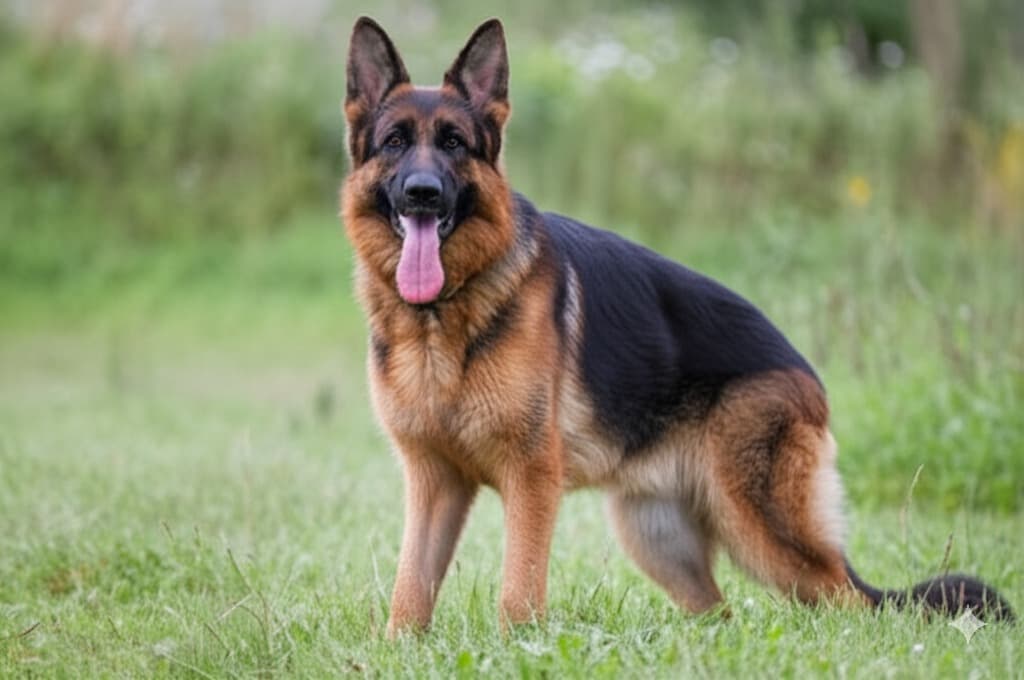
The German Shepherd Dog stands as a globally recognized breed, celebrated for its exceptional versatility and enduring popularity. Originating in Germany, this breed has earned a distinguished reputation as both a highly capable working dog and a devoted family companion. Distinctive features include a noble, wolf-like appearance, erect ears conveying alertness, a strong, muscular build, and a characteristic double coat. They possess a confident, intelligent expression and are known for their loyalty and courage.
Important Disclaimer:The information provided on this page about the German Shepherd is intended for general knowledge and informational purposes only and does not constitute professional veterinary advice. Always consult with a qualified veterinarian for any health concerns or medical conditions related to your dog. The breed identification provided by our AI tool is a prediction and should not be considered a definitive diagnosis.
German Shepherd Dog Overview
- Breed Group
- Herding
- Origin
- Germany
- Purpose
- Herding sheep (original), Police/Military work, Service dog, Search & Rescue, Family companion
- Size
- Large
- Other Names
- Alsatian (historical, UK/US)
- Lifespan
- 9-13 years
- Temperament
- LoyalIntelligentProtectiveConfidentCourageousEager to pleaseActiveAlert
- Activity Level
- High
- Trainability
- Very High (Intelligent and eager to please)
- Grooming
- Moderate (Regular brushing needed)
- Shedding
- Very High (Heavy year-round, seasonal 'coat blow')
- Barking
- Moderate to High (Vocal, good watchdog)
- Good with
- Health Issues
- Hip DysplasiaElbow DysplasiaDegenerative Myelopathy (DM)Bloat (GDV)AllergiesExocrine Pancreatic Insufficiency (EPI)HemangiosarcomaOsteosarcoma
- Suited For
- Active owners/families
- Experienced handlers
- Homes with space (secure yard beneficial)
- Owners committed to training, socialization, and exercise
- Families (with socialization), Active Owners
German Shepherd's History and Popularity
The German Shepherd Dog breed stands as a globally recognized breed, celebrated for its exceptional versatility and enduring popularity among German Shepherd breeds. Originating in Germany, German Shepherds have earned a distinguished reputation as both highly capable working dogs and devoted family companions.
This report aims to provide a thorough understanding of German Shepherds and the German Shepherd Dog breed, encompassing its historical development, physical characteristics, temperament, care requirements, health considerations, and the diverse roles German Shepherds fulfill for both individuals and society.
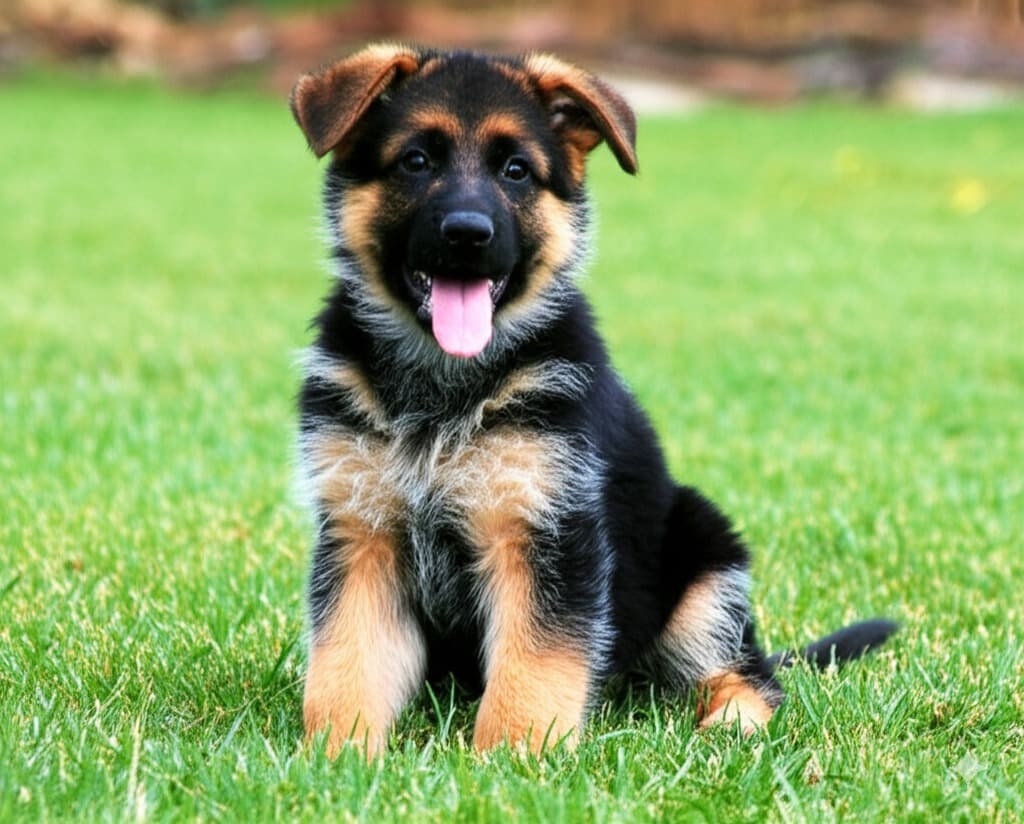
🐶 German Shepherd Dog puppy sitting
History of German Shepherd Dog
Developed in late 19th century Germany by Captain Max von Stephanitz, German Shepherds aimed to standardize native herding dogs, prioritizing working ability ('Utility is the true criterion of beauty').
The first registered German Shepherd Dog was Horand von Grafrath (formerly Hektor Linksrhein) in 1899. Von Stephanitz founded the Verein für Deutsche Schäferhunde (SV) the same year, focusing on utility and mental stability for German Shepherds.
Intensive breeding of German Shepherds, including inbreeding on Horand and his brother Luchs, established traits. German Shepherd breeds quickly moved beyond herding into police, military (WWI/WWII), and early guide dog roles, demonstrating immense versatility.
Post-WWII, German Shepherd breeding priorities diverged, with German lines emphasizing working ability (Körung) and some American German Shepherd breeds focusing more on aesthetics. The breed was temporarily called 'Alsatian' in the UK/US due to anti-German sentiment.
Why is German Shepherd Dog so popular?
German Shepherds consistently rank high in global popularity (e.g., #4 AKC breed in 2024, top breed worldwide in a 2023 study). The appeal of German Shepherd Dog breeds stems from remarkable versatility, high intelligence, unwavering loyalty, protective nature, and striking appearance.
The popularity of German Shepherds extends locally, for instance, in Ahmedabad, Gujarat, where German Shepherds are among the top registered breeds, valued as family pets and capable guard dogs adaptable to the climate. This reflects the German Shepherd breed's global appeal for various lifestyles and purposes.
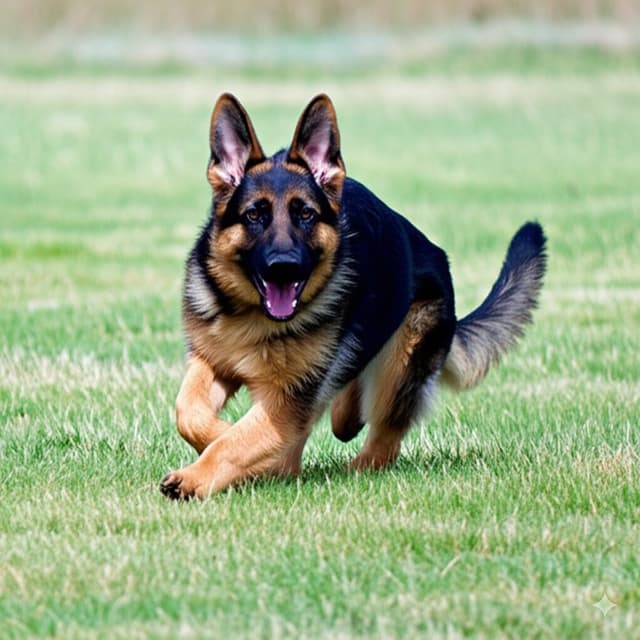
🐶 German Shepherd Dog running in a field
Did you know?
Known for their dense double coat, German Shepherds shed heavily throughout the year and 'blow' their undercoat twice annually, earning German Shepherd breeds the affectionate nickname 'German Shedder'. Consistent grooming is key for German Shepherds!
German Shepherd's Physical Characteristics
Size of German Shepherd dog Breeds
Size Category
Large
Height
Male
24-26 inches (60-65 cm)
Female
22-24 inches (55-60 cm)
Weight
Male
65-90 lbs (30-41 kg)
Female
50-70 lbs (22-32 kg)
Appearance of German Shepherd dog Breeds
- Coat Type
- Double coat: Dense, insulating undercoat and a coarser, protective outer layer.
- Eye Size & Color
- Medium-sized, almond-shaped, dark brown preferred, set somewhat obliquely; conveying intelligence and alertness.
- Ear Size & Shape
- Moderately pointed, erect, open toward the front, carried parallel when alert.
- Tail
- Bushy, set low, reaching at least the hock joint, hangs in a gentle curve when at rest.
Description of German Shepherds Appearance
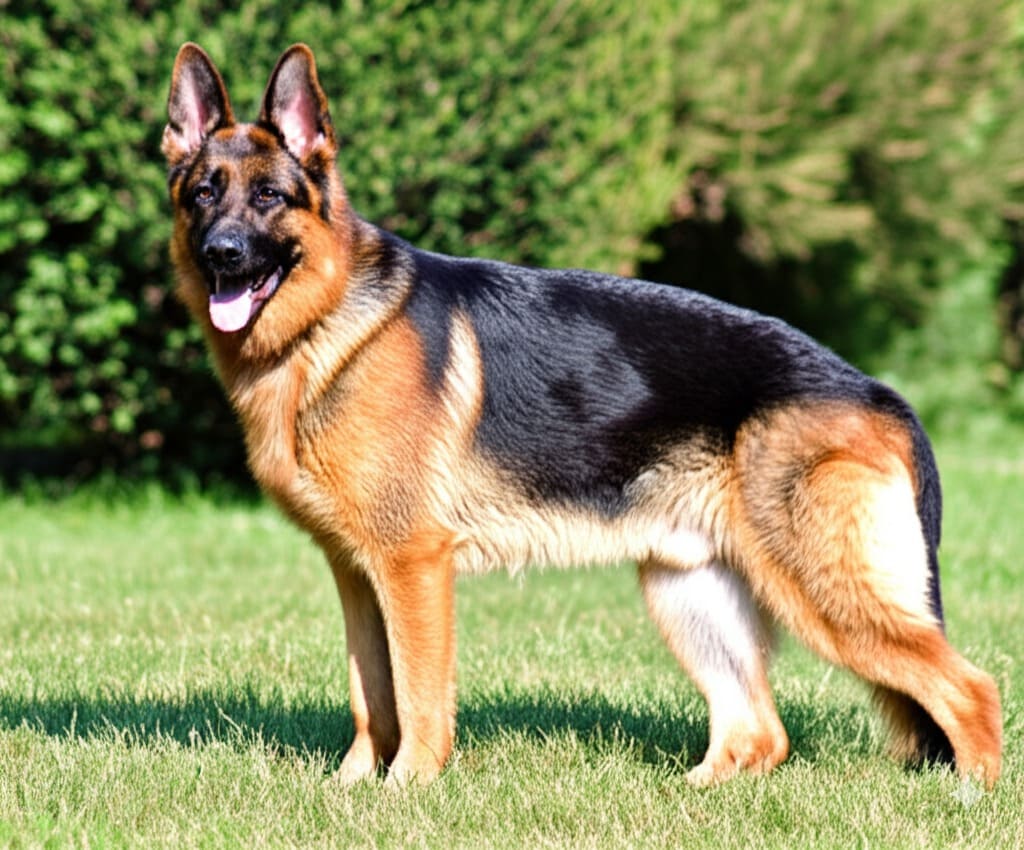
👀 How does German Shepherd Dog look like?
- The German Shepherd Dog breed is a strong, agile, well-muscled dog, longer than tall, with a smooth, harmonious outline.
- German Shepherd males stand 24-26 inches, weighing 65-90 lbs; German Shepherd females 22-24 inches, 50-70 lbs.
- German Shepherds possess a weather-resistant double coat. The head is noble, cleanly chiseled, with erect ears and intelligent, almond-shaped eyes.
- The German Shepherd body is substantial but not bulky, built for endurance, agility, and power.
- Their gait is smooth and ground-covering.
Coat Colors of German Shepherd dogs
Black & Tan
Sable
Black
Bi-Color
White
Blue
Liver
Distinctive Features of German Shepherd dog breeds
- Noble, wolf-like appearance
- Erect, alert ears
- Strong, muscular build
- Double coat
- Intelligent and confident expression
German Shepherd's Temperament
Barking Level of German Shepherd
Moderate to High
German Shepherds are naturally vocal and prone to barking; makes an excellent watchdog but requires training to manage excessive or inappropriate barking.
Trainability of German Shepherd
Very High
German Shepherds are highly intelligent (often ranked 3rd smartest breed) and eager to please, making them exceptionally trainable. Requires consistent, positive reinforcement and mental challenges.
Energy Level of German Shepherd
High
German Shepherds are a very active and energetic breed requiring substantial daily exercise, typically 1.5 to 2 hours, combining physical activity and mental stimulation.
Friendly Environment Description of German Shepherds
- German Shepherds thrive in an environment where they are part of the family and have a job to do, whether it's participating in dog sports, being a walking companion, or simply being a watchful family member.
- German Shepherd breeds need ample space for exercise, ideally a home with a securely fenced yard. Due to their intelligence and energy, German Shepherds require significant mental stimulation through training, puzzle toys, and interactive play.
- German Shepherds bond strongly with their families and do not do well if consistently left alone for long hours, potentially developing separation anxiety or destructive behaviors. Early and ongoing socialization is crucial for German Shepherds to be well-adjusted.
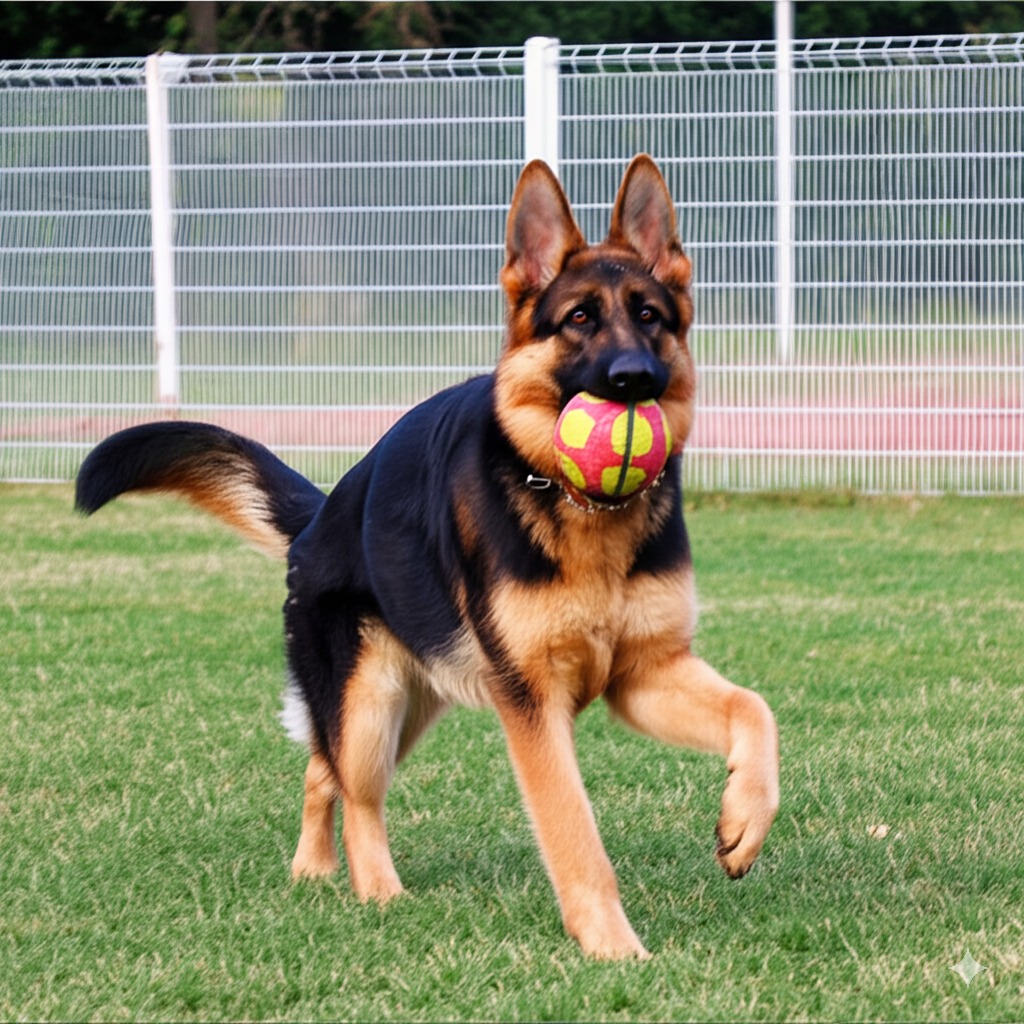
🏠 German Shepherd Dog in a home environment
Personality Traits of German Shepherd dog breed
LoyalProtectiveIntelligentConfidentCourageousEager to pleaseAlertActiveTrainableAffectionate (with family)Aloof (with strangers)
Nature
German Shepherds are self-assured, courageous, and steady, not typically aggressive unless provoked or untrained.
Affectionate
German Shepherds form deep bonds and are very affectionate with their family, but can be reserved or aloof towards strangers.
Protective
German Shepherds possess strong natural guarding instincts; fiercely loyal and protective of their home and family.
Sociable
German Shepherds require extensive early socialization with people and other animals to develop into a well-mannered companion.
Intelligence
German Shepherds are exceptionally intelligent and quick to learn; needs tasks and mental challenges to prevent boredom.
German Shepherds are good with:
Families (with proper socialization)Children (when raised together & supervised)Active OwnersExperienced Dog Handlers
German Shepherd Care and Grooming
Shedding Level of German Shepherd
Very High
German Shepherds shed heavily year-round ('German Shedder') and experience two major 'coat blows' annually (spring/fall). Be prepared for dog hair.
Grooming Needs of German Shepherd
Moderate
German Shepherds require regular brushing (3-4 times/week, daily during shedding seasons) with an undercoat rake/deshedder to manage shedding and prevent matting. Bathing only when necessary (every few months).
Grooming Tips
For German Shepherds, brush frequently using appropriate tools (slicker brush, undercoat rake). Bathe sparingly with dog-specific shampoo. Trim nails monthly if not worn down naturally. Check ears weekly for dirt/debris and clean gently with vet-approved solution if needed; keep dry. Brush teeth 2-3 times weekly.
Drooling Frequency of German Shepherd
Low
German Shepherds are generally not prone to excessive drooling.
German Shepherds Daily Exercise Requirements
Minimum Daily Activity of German Shepherd
1.5 - 2 hours per day
German Shepherds need significant daily physical exercise (brisk walks, jogging, running, fetch) combined with mental stimulation (training, puzzle toys, scent work). Vary activities to prevent boredom. Adjust for age (shorter sessions for puppies, modified for seniors).
Recommended Activities for German Shepherds
Brisk Walking/Jogging/RunningHikingFetch/FrisbeeSwimmingCanine Sports (Agility, Herding, Tracking, Obedience, Schutzhund)Puzzle Toys / Interactive GamesScent Work / Nose GamesObedience Training / Trick Training
Living Space Compatibility of German Shepherds
Yard Requirement
Highly Recommended
A securely fenced yard is highly beneficial for German Shepherds, providing a safe space for exercise and play. However, exercise should not be limited to the yard alone.
Apartment Living: Not Ideal
Generally challenging for German Shepherds due to size, energy, and exercise needs. Possible only with extremely dedicated owners providing extensive outdoor activity and mental engagement daily.
Living Considerations for German Shepherds
- German Shepherds require major commitment to exercise and mental stimulation.
- German Shepherds need consistent training and early, ongoing socialization.
- Very heavy shedding requires regular grooming and house cleaning.
- German Shepherds are prone to potentially expensive health issues.
- Can be vocal; requires training for barking management.
- German Shepherds thrive on companionship; not suited for long periods of isolation.
- Needs space to move.
German Shepherd's Lifespan and Health Issues
Average Lifespan of German Shepherds
9-13years
Common Health Issues of German Shepherds
Hip Dysplasia
Malformation of the hip joint leading to pain, lameness, arthritis in German Shepherds.
Elbow Dysplasia
Abnormal development of the elbow joint causing pain, lameness in German Shepherds.
Degenerative Myelopathy (DM)
Progressive spinal cord disease causing hind limb weakness/paralysis in German Shepherds.
Bloat (Gastric Dilatation-Volvulus - GDV)
Life-threatening stomach twisting in German Shepherds; requires immediate vet care.
Allergies
German Shepherds are prone to environmental and food allergies (skin issues, ear infections).
Exocrine Pancreatic Insufficiency (EPI)
German Shepherd's pancreas doesn't produce enough digestive enzymes.
Hemangiosarcoma
Aggressive cancer of blood vessel lining (spleen, heart, liver) in German Shepherds.
Osteosarcoma
Aggressive bone cancer in German Shepherds.
Pannus
Chronic superficial keratitis (eye condition) in German Shepherds.
Heart Disease
Various conditions can affect German Shepherd's heart.
Preventative Care of German Shepherds
- Choose reputable German Shepherd breeders who health screen breeding stock (hips, elbows, eyes, DM, etc.).
- Regular veterinary check-ups and vaccinations for German Shepherds.
- Maintain a healthy weight to reduce stress on joints.
- Provide high-quality nutrition appropriate for German Shepherd's age and activity level.
- Regular exercise appropriate for age and health status.
- Bloat prevention: feed smaller meals, avoid exercise around feeding time.
- Regular dental care for German Shepherds.
- Monitor for signs of common German Shepherd health issues.
German Shepherd Dog Diet and Nutrition
Recommended Diet for German Shepherd dog breed
High-quality commercial dog food formulated for large breeds like German Shepherds, appropriate for their life stage (puppy, adult, senior). Protein is crucial. Portion control is essential.
Typical Feeding Schedule of German Shepherds
| Age Group | Feeding Frequency |
|---|---|
| Puppies (under 6 months) | 3-4 meals/day |
| Adolescents (6-12 months) | 2-3 meals/day |
| Adults | 2 meals/day (recommended to prevent bloat) |
| Seniors | 2 smaller meals/day, possibly senior formula |
Sensitivities & Considerations of German Shepherds
Potential Food Sensitivities of German Shepherds
German Shepherds are prone to food allergies/sensitivities (common triggers: beef, chicken, wheat, soy, dairy). Monitor for itching, digestive upset. Sensitive stomach formulas (e.g., lamb, salmon based) may be beneficial. Consult vet for diagnosis/management (elimination diet).
Dietary Considerations of German Shepherds
- Feed large-breed puppy formula to ensure proper growth rate for German Shepherds.
- Divide daily food into 2+ meals to reduce bloat risk.
- Avoid strenuous exercise 1 hour before and after meals.
- Monitor weight closely to prevent obesity, which worsens joint issues in German Shepherds.
- Ensure constant access to fresh, clean water.
- Consult veterinarian for personalized German Shepherd diet recommendations based on health and activity.
- Avoid feeding table scraps.
Weight Management of German Shepherds
Crucial for German Shepherds due to predisposition to hip/elbow dysplasia. Maintain lean body condition throughout life. Obesity significantly increases health risks and reduces lifespan.
Signs of Healthy Weight of German Shepherds
- Ribs easily felt but not seen, with minimal fat cover.
- Visible waistline behind ribs when viewed from above.
- Abdomen tucked up when viewed from the side.
- Consult vet or use a Body Condition Score chart for German Shepherds.
Tips for Healthy Feeding of German Shepherds
- Measure food accurately for German Shepherds.
- Adjust portions based on age, activity level, metabolism, and body condition.
- Use treats sparingly (max 10% of daily calories).
- Consider puzzle feeders to slow eating and provide mental stimulation.
- Transition new foods gradually over 7-10 days.
- Maintain a consistent feeding schedule for German Shepherds.
Owner Match for German Shepherd Dog
German Shepherds are best suited for active, experienced owners or families prepared to provide significant commitment to daily exercise, ongoing training, mental stimulation, and socialization. German Shepherd breeds require leadership, consistency, and management of shedding. Ideal for those seeking a loyal, protective, and intelligent companion who can participate in activities or working roles.
German Shepherds are a Great Match For
- Active individuals, couples, or families ready for German Shepherd ownership
- Experienced dog owners familiar with German Shepherd training needs
- Households with a securely fenced yard and space for German Shepherds
- Owners committed to providing German Shepherds 1.5-2+ hours of daily exercise/mental work
- Those seeking a protective watchdog or working partner (e.g., dog sports) like German Shepherds
- People prepared to manage heavy German Shepherd shedding and grooming needs
- Owners who can provide consistent leadership and socialization for German Shepherds
German Shepherds May be Challenging For
- Sedentary individuals or families not suited for German Shepherds
- First-time dog owners unprepared for German Shepherd breed needs
- Apartment dwellers without exceptional commitment to outdoor activity for German Shepherds
- Owners seeking a low-maintenance or low-shedding dog unlike German Shepherds
- People who are away from home for very long hours consistently
- Homes without secure fencing or commitment to leashed exercise for German Shepherds
- Those uncomfortable with a protective or potentially vocal German Shepherd
- Owners unable/unwilling to invest in German Shepherd training and socialization