Sniffing...

Newfoundland (Canada)
Labrador Retriever
SportingFriendlyOutgoingActiveMedium to Large11-13 years
The Labrador Retriever, often simply referred to as the Labrador or Lab, stands as a globally recognized and immensely popular dog breed. Its endearing qualities have cemented its place not only as a cherished family pet but also as a highly capable working dog and enthusiastic sporting companion. They possess a sturdy, athletic build, a distinctive short, dense, weather-resistant coat, a friendly, outgoing temperament, and an inherent love for water and retrieving.
Important Disclaimer:The information provided on this page about the Labrador Retriever is intended for general knowledge and informational purposes only and does not constitute professional veterinary advice. Always consult with a qualified veterinarian for any health concerns or medical conditions related to your dog. The breed identification provided by our AI tool is a prediction and should not be considered a definitive diagnosis.
Labrador Retriever Breed Overview
- Breed Group
- Sporting
- Origin
- Newfoundland (Canada), developed in UK
- Purpose
- Water retrieving (fishing nets, waterfowl)
- Size
- Medium to Large
- Other Names
- Lab, Labrador
- Lifespan
- 11-13 years
- Temperament
- FriendlyOutgoingHigh-spiritedGentleIntelligentEager to pleaseActiveKind
- Activity Level
- High
- Trainability
- Highly Trainable, Eager to please
- Grooming
- Moderate (weekly brushing, more during shedding)
- Shedding
- Moderate to Heavy (seasonal heavy shedding)
- Barking
- Moderate (can be alarm barkers)
- Good with
- Health Issues
- Hip DysplasiaElbow DysplasiaObesityProgressive Retinal Atrophy (PRA)Exercise-Induced Collapse (EIC)Ear InfectionsBloat (GDV)Certain CancersAllergies
- Suited For
- Active families/individuals
- Homes with space (yard preferred)
- Owners committed to training and exercise
- Various working roles (service, hunting, search & rescue)
- Families, Children, Other Dogs, Other Pets (with socialization)
Labrador Retriever's History and Popularity
The Labrador Retriever dog breed, often simply referred to as the Labrador or Lab, stands as a globally recognized and immensely popular dog breed. The Labrador's endearing qualities have cemented its place not only as a cherished family pet but also as a highly capable working dog and enthusiastic sporting companion. This profile provides a detailed overview of the Labrador Retriever breed.
Known for their friendly, outgoing nature, intelligence, and versatility, Labrador dogs excel in numerous roles beyond companionship, including service work, hunting, search and rescue, and dog sports.

🐶 Labrador Retriever puppy playing
History of Labrador Retriever
The Labrador Retriever's story begins in Newfoundland, Canada, with the St. John's water dog, developed by settlers in the 1830s to help fishermen retrieve nets and fish from frigid waters. These dogs possessed traits essential for the modern Labrador: hardiness, love of water, a water-repellent coat, and webbed feet.
St. John's water dogs were brought to Britain via trading ships around the 1830s. British sportsmen, particularly aristocrats like the Earl of Malmesbury and the Duke of Buccleuch, recognized their potential. They selectively bred these dogs with British hunting breeds to refine retrieving skills for game hunting, leading to the modern Labrador Retriever.
The name 'Labrador dogs' was popularized by the Earl of Malmesbury. The Labrador breed faced confusion initially but became distinct. The Kennel Club (UK) recognized the Labrador Retriever in 1903, followed by the AKC in 1917. Key figures like the Earls of Malmesbury and Home, the Duke of Buccleuch, and Sir John Scott were instrumental, establishing foundation lines (e.g., Buccleuch Avon and Ned) from which all modern Labrador Retrievers descend.
Why is Labrador Retriever so popular?
Labrador Retrievers enjoyed an unprecedented 31-year run as the #1 AKC breed in the US until 2022 and remain exceptionally popular globally (often #2).
The Labrador's popularity stems from a combination of factors: an exceptionally friendly, outgoing, and energetic nature; inherent loyalty and strong bonds with families; gentle demeanor, high tolerance, and keen intelligence.
Labrador dogs are generally excellent with children and other pets, making them ideal family dogs. Their trainability and eagerness to please contribute significantly, allowing Labradors to adapt to various lifestyles and roles. This blend of positive traits consistently resonates with dog owners worldwide.
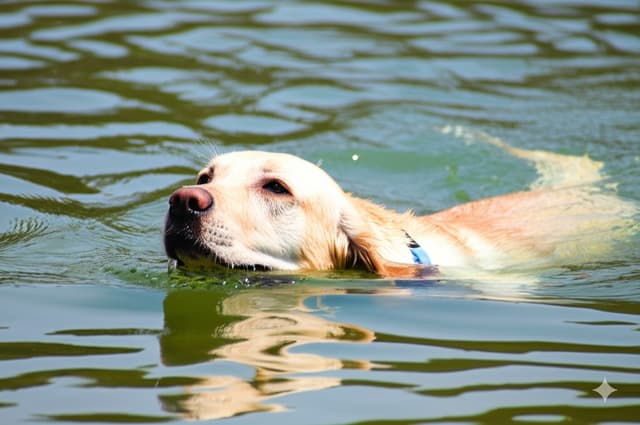
🐶 Labrador Retriever swimming
Did you know?
Labrador Retriever dogs have webbed feet, which act like flippers, making them excellent swimmers! Their thick, water-repellent double coat and distinctive 'otter tail' (thick at the base, tapering towards the tip) also aid them in the water, with the tail acting as a rudder.
Labrador's Size and Physical Characteristics
Size of Labrador Retriever dog Breeds
Size Category
Medium to Large
Height
Male
22.5-24.5 inches (57-62 cm)
Female
21.5-23.5 inches (55-60 cm)
Weight
Male
65-80 lbs (29-36 kg)
Female
55-70 lbs (25-32 kg)
Appearance of Labrador Retriever dog Breeds
- Coat Type
- Short, straight, dense double coat; hard, weather-resistant outercoat and soft, insulating undercoat
- Eye Size & Color
- Medium size, expressing intelligence and good temper; brown or hazel
- Ear Size & Shape
- Pendant (hanging), set rather far back, hanging close to head, relatively low
- Tail
- Distinctive 'otter tail'; very thick at base, gradually tapering, medium length, carried happily but not curled over back
Description of Labrador Retrievers Appearance
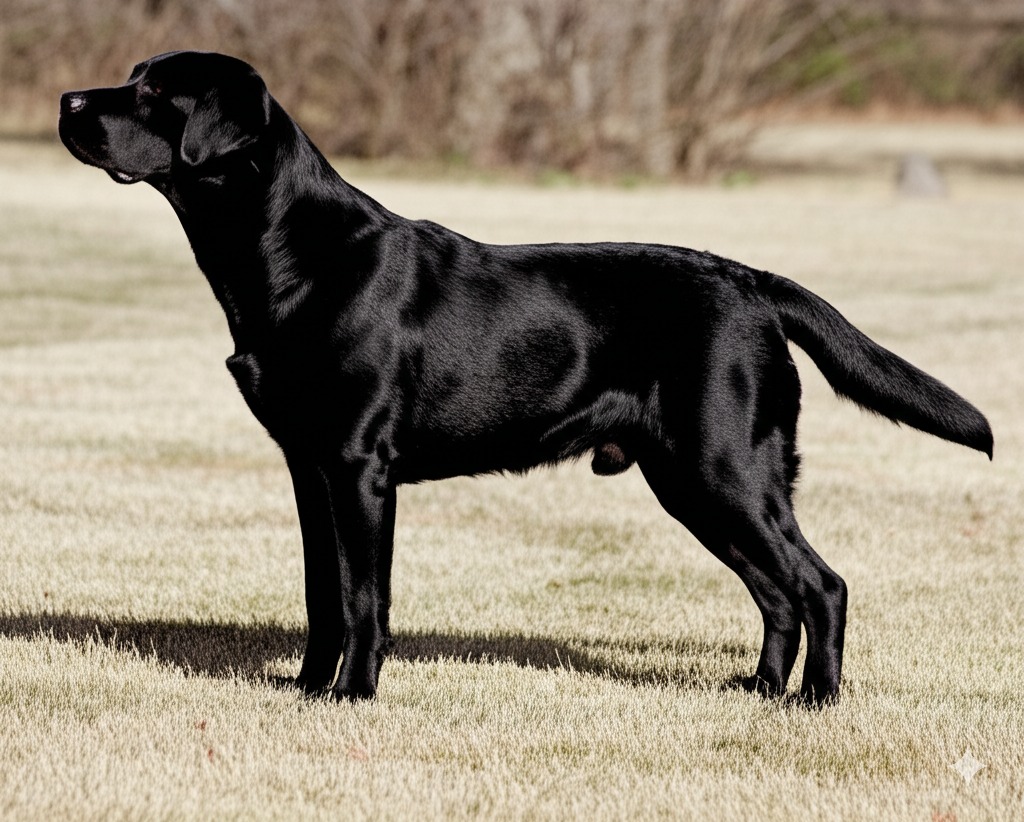
👀 How does a Labrador Retriever look like?
- The Labrador Retriever dog breed is a strongly built, medium-to-large sized dog, possessing a sound, athletic, well-balanced conformation.
- Labrador dogs are slightly longer than tall at the withers, with a body built for endurance and activity.
- The Labrador's head is clean-cut and broad, with medium-sized, expressive eyes (brown or hazel) and pendant ears set fairly far back.
- A defining feature of Labrador Retrievers is their short, dense double coat, providing protection from weather and water, which comes in black, yellow, or chocolate.
- Another hallmark of the Labrador breed is the 'otter tail' – thick at the base, tapering towards the tip, acting as a rudder in water.
- The overall appearance of Labrador dogs conveys strength, agility, and a friendly, intelligent disposition.
Coat Colors of Labrador Retriever dogs
Black
Yellow
Chocolate
Distinctive Features of Labrador Retriever dog breeds
- Sturdy, athletic build
- 'Otter' tail
- Short, dense, water-repellent coat
- Clean-cut head with broad skull
- Kind, friendly expression
- Webbed feet
Labrador Retriever Temperament and Personality
Barking Level of Labrador Retriever
Moderate
Labrador dogs are not typically nuisance barkers, but may bark to alert ('alarm barker') or when excited or bored.
Trainability of Labrador Retriever
High
Highly intelligent and eager to please, making Labrador Retrievers generally easy to train with positive reinforcement methods.
Energy Level of Labrador Retriever
High
Energetic dogs requiring substantial daily exercise (physical and mental) to prevent boredom and destructive behavior.
Friendly Environment Description of Labrador Retrievers
- Labrador Retrievers thrive in homes where they are part of the family and receive plenty of attention and activity.
- Labrador dogs are highly adaptable but ideally suited for homes with space to move, preferably with a securely fenced yard for safe play.
- As highly social dogs, Labradors crave human companionship and do not do well if left isolated for long periods; they prefer to live indoors with their people.
- Early socialization is key to ensuring Labrador puppies are well-adjusted around various people, environments, and other animals. Consistent training helps manage their exuberance, especially when young.

🏠 Labrador Retriever in its home environment
Personality Traits of Labrador Retriever dog breed
FriendlyOutgoingHigh-spiritedGentleIntelligentEager to pleaseActiveEven-temperedLoyalTrustingKindPlayful
Nature
Labrador Retrievers are famously friendly, outgoing, and eager to please.
Affectionate
Labrador dogs are highly affectionate with their families and thrive on companionship.
Playful
Labradors retain a playful, sometimes boisterous, nature well into adulthood.
Sociable
The Labrador Retriever typically gets along well with strangers, children, and other animals.
Gentle
Labrador dogs are known for their gentle mouths (bred for retrieving) and patient nature.
Intelligence
Highly intelligent and trainable, the Labrador Retriever excels in various canine activities.
Labrador Retrievers are good with:
FamiliesChildrenOther DogsOther Pets (with socialization)
Labrador Retriever Care and Grooming
Shedding Level of Labrador Retriever
Moderate to Heavy
Labrador Retrievers shed moderately year-round, with two heavy shedding periods ('blowing coat') typically in spring and fall.
Grooming Needs of Labrador Retriever
Low to Moderate
The Labrador dog breed requires regular weekly brushing (daily during shedding seasons) to manage loose hair. Occasional baths needed.
Grooming Tips
Brush your Labrador 2-3 times weekly (daily when shedding heavily) with a slicker brush or de-shedding tool. Bathe every 1-2 months or as needed. Trim nails regularly (every 3-4 weeks). Clean ears weekly, especially after swimming, to prevent infections. Brush teeth frequently.
Drooling Frequency of Labrador Retriever
Low
Labrador dogs are not typically heavy droolers, but may drool when anticipating food or excited.
Labrador Retrievers Daily Exercise Requirements
Minimum Daily Activity of Labrador Retriever
At least 60-90 minutes per day
Labrador Retrievers are energetic working dogs needing significant daily exercise. This should include vigorous activity like running, swimming, or fetching, plus walks. Mental stimulation is also crucial.
Recommended Activities for Labrador Retrievers
Fetching/Retrieving games (land or water)SwimmingBrisk Walking/Jogging/HikingRunning alongside a bike (once mature)Canine sports (agility, dock diving, obedience, tracking)Playdates with other dogsPuzzle toys / Scent games
Living Space Compatibility of Labrador Retrievers
Yard Requirement
Secure Yard Highly Recommended
A securely fenced yard is highly beneficial for providing a safe space for Labrador dogs to exercise and play. However, Labs need interaction and shouldn't just be left alone in the yard.
Apartment Living: Not Ideal
Labrador Retrievers can adapt to apartment living IF the owner is highly committed to providing extensive daily exercise and mental stimulation outside the home. Not ideal without this commitment.
Living Considerations for Labrador Retrievers
- Labrador Retrievers need significant daily exercise to prevent problem behaviors.
- Labrador puppies are prone to chewing, especially when young or bored.
- Can suffer from separation anxiety if left alone too much.
- Loves food; prone to obesity and counter-surfing/stealing food.
- Requires early socialization and consistent training.
- Retains puppy-like energy longer than many breeds.
Labrador Retriever's Lifespan and Health Issues
Average Lifespan of Labrador Retrievers
11-13years
Common Health Issues of Labrador Retrievers
Hip & Elbow Dysplasia
Inherited malformation of joints, leading to arthritis.
Obesity
Very prone due to appetite; exacerbates joint issues.
Progressive Retinal Atrophy (PRA)
Inherited eye disease causing gradual blindness.
Exercise-Induced Collapse (EIC)
Genetic condition causing collapse after intense exercise.
Ear Infections (Otitis Externa)
Floppy ears trap moisture, increasing infection risk.
Bloat (Gastric Dilatation Volvulus - GDV)
Life-threatening stomach twisting; more common in deep-chested breeds.
Heart Conditions (e.g., Tricuspid Valve Dysplasia)
Congenital heart issues can occur.
Laryngeal Paralysis
Condition affecting airflow through the larynx.
Cancer (e.g., Lymphoma, Hemangiosarcoma)
Higher incidence of certain cancers.
Allergies (Food and Environmental)
Prone to skin and food allergies.
Preventative Care of Labrador Retrievers
- Choose reputable Labrador breeders who screen for genetic conditions (hips, elbows, eyes, EIC, heart).
- Maintain a lean body condition through diet and exercise (critical!).
- Regular veterinary check-ups, vaccinations, and parasite prevention.
- Weekly ear cleaning and inspection.
- Good dental hygiene.
- Avoid intense exercise on hard surfaces, especially during growth.
Labrador Retriever's Diet and Nutrition
Recommended Diet for Labrador Retriever dog breed
High-quality commercial dog food appropriate for their age (puppy, adult, senior), size (large breed formulas often beneficial, especially for Labrador puppies), and activity level. Some owners opt for home-prepared or raw diets under veterinary guidance. Portion control is crucial.
Typical Feeding Schedule of Labrador Retrievers
| Age Group | Feeding Frequency |
|---|---|
| Puppies (under 6 months) | 3-4 meals/day |
| Adolescents (6-12+ months) | 2-3 meals/day |
| Adults | 2 meals/day (recommended) |
| Seniors | 2 meals/day, potentially adjusted for lower calorie needs/joint support |
Sensitivities & Considerations of Labrador Retrievers
Potential Food Sensitivities of Labrador Retrievers
Labrador Retrievers are prone to food allergies (common culprits: beef, chicken, dairy, wheat, corn, soy) manifesting as skin issues or digestive upset. Also prone to environmental allergies.
Dietary Considerations of Labrador Retrievers
- HIGH risk of obesity due to strong appetite and potential genetic factors. NEVER free-feed Labradors.
- Measure food precisely; adjust based on body condition and activity.
- Limit treats (use low-calorie options or kibble).
- Ensure constant access to fresh water.
- Large breed puppy formulas help control growth rate.
- Consider slow-feeder bowls if the Labrador eats too quickly.
- Keep human food and trash secured; Labrador dogs are notorious for eating non-food items.
Weight Management of Labrador Retrievers
Vigilant lifelong weight management is paramount for Labrador health, especially joint health. Regularly assess body condition (feel ribs, check for waist). Consult vet for ideal weight range.
Signs of Healthy Weight of Labrador Retrievers
- Ribs easily felt but not sharply prominent, with minimal fat cover.
- Visible waistline behind ribs when viewed from above.
- Abdominal tuck visible when viewed from the side.
Tips for Healthy Feeding of Labrador Retrievers
- Feed measured portions on a regular schedule.
- Choose high-quality food with appropriate protein/fat levels.
- Monitor body condition score regularly.
- Factor all treats/chews into daily calorie intake.
- Avoid feeding table scraps.
- Provide puzzle feeders for mental stimulation and slower eating.
Labrador Retriever's Owner Match
The Labrador Retriever breed is best suited for active individuals or families who can provide ample daily exercise, consistent training, mental stimulation, and lots of companionship. Owners should be prepared for shedding, high energy levels (especially when young), and the need for vigilant weight management.
Labrador Retrievers are a Great Match For
- Active families with children
- Individuals/couples with an active outdoor lifestyle
- Owners committed to daily exercise (walking, running, swimming, fetch)
- Those interested in dog sports or activities (hunting, agility, etc.)
- People looking for a loyal, affectionate, and trainable companion
- Households where someone is home much of the day or can provide midday breaks/exercise
- Homes with a securely fenced yard (preferred but not essential with commitment)
Labrador Retrievers May be Challenging For
- Sedentary individuals or families
- Owners with limited time for exercise and training
- People living in small apartments with no easy access to outdoor exercise areas (without extreme dedication)
- Those seeking a low-shedding dog
- Households where the Labrador would be left alone for very long hours daily
- Owners who want a quiet, low-energy dog
- Individuals looking for a guard dog (Labrador Retrievers are typically too friendly)