Sniffing...
United States
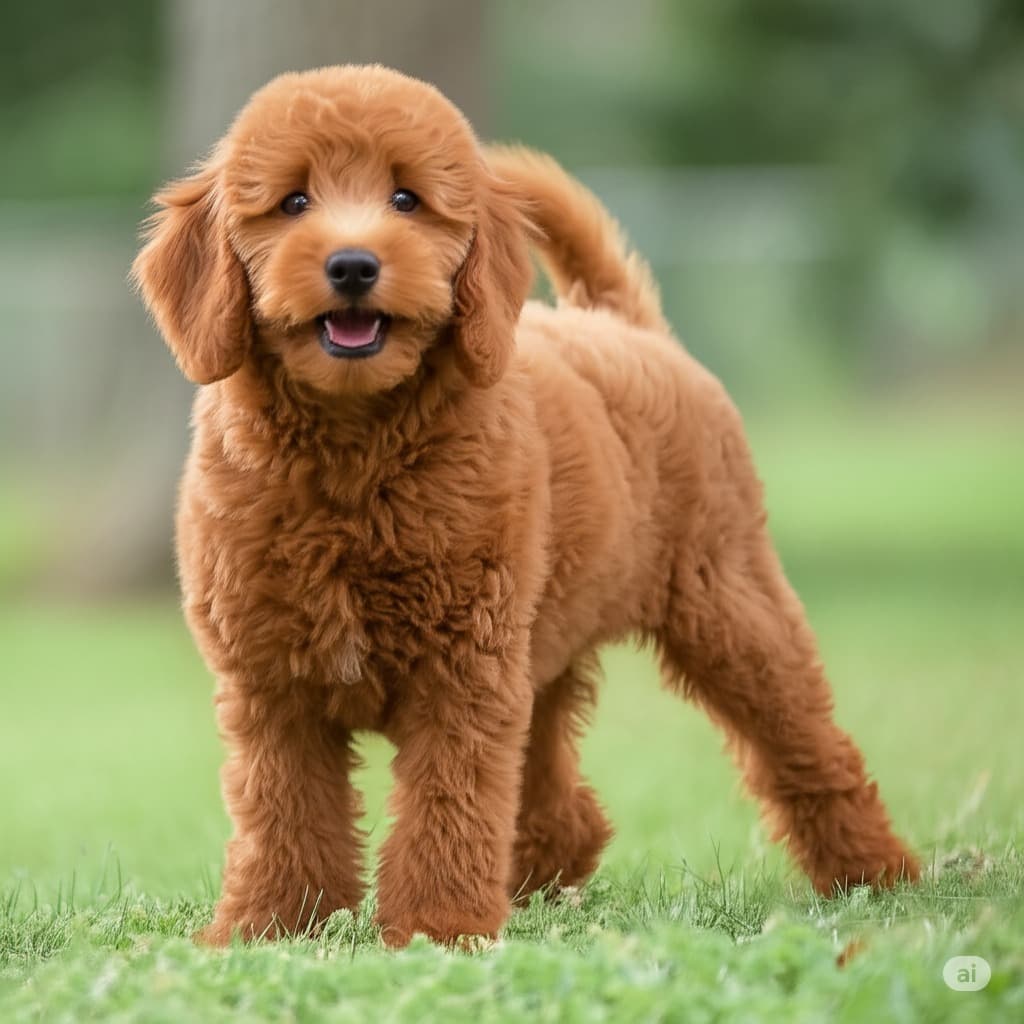
Mini Goldendoodle
Mixed BreedFriendlyIntelligentLow-sheddingSmall to Medium10-16 years
The Mini Goldendoodle has emerged as a highly sought-after designer dog breed, experiencing a significant surge in popularity among families and individuals alike. This charming hybrid captures the hearts of many due to its generally friendly disposition, remarkable intelligence, and the often low-shedding nature of its coat. While its popularity is undeniable, it is important to note that the Mini Goldendoodle is a hybrid breed resulting from a deliberate cross between a Golden Retriever and a Miniature or Toy Poodle, and as such, it is not recognized as a distinct breed by major kennel clubs.
Important Disclaimer:The information provided on this page about the Mini Goldendoodle is intended for general knowledge and informational purposes only and does not constitute professional veterinary advice. Always consult with a qualified veterinarian for any health concerns or medical conditions related to your dog. The breed identification provided by our AI tool is a prediction and should not be considered a definitive diagnosis.
Mini Goldendoodle Dog Breed Overview
- Breed Group
- Mixed Breed
- Origin
- United States
- Purpose
- Companion dog, potential therapy/emotional support roles
- Size
- Small to Medium
- Other Names
- Mini Groodle, Mini Goldiepoo, Mini Goldenpoo, Golden Retriever Poodle mix
- Lifespan
- 10-16 years
- Temperament
- FriendlyIntelligentGentleAffectionatePlayfulEager to pleaseSocial
- Activity Level
- Moderate to High
- Trainability
- High (Intelligent and eager to please)
- Grooming
- Moderate to High (Regular brushing needed)
- Shedding
- Low to Non-shedding (varies by coat type)
- Barking
- Low to Moderate
- Good with
- Health Issues
- Hip DysplasiaVon Willebrand's DiseaseProgressive Retinal Atrophy (PRA)AllergiesEar InfectionsPatellar Luxation
- Suited For
- Active families
- First-time dog owners
- Allergy sufferers
- Apartment dwellers (with sufficient exercise)
- Those seeking a low-shedding companion
- Families, Children, Other Pets
Mini Goldendoodle History & Origin: Popularity of Mini Goldendoodles
The Mini Goldendoodle has emerged as a highly sought-after designer dog breed, experiencing a significant surge in popularity among families and individuals alike. This charming hybrid captures the hearts of many due to its generally friendly disposition, remarkable intelligence, and the often low-shedding nature of its coat. While its popularity is undeniable, it is important to note that the Mini Goldendoodle is a hybrid breed resulting from a deliberate cross between a Golden Retriever and a Miniature or Toy Poodle, and as such, it is not recognized as a distinct breed by major kennel clubs.
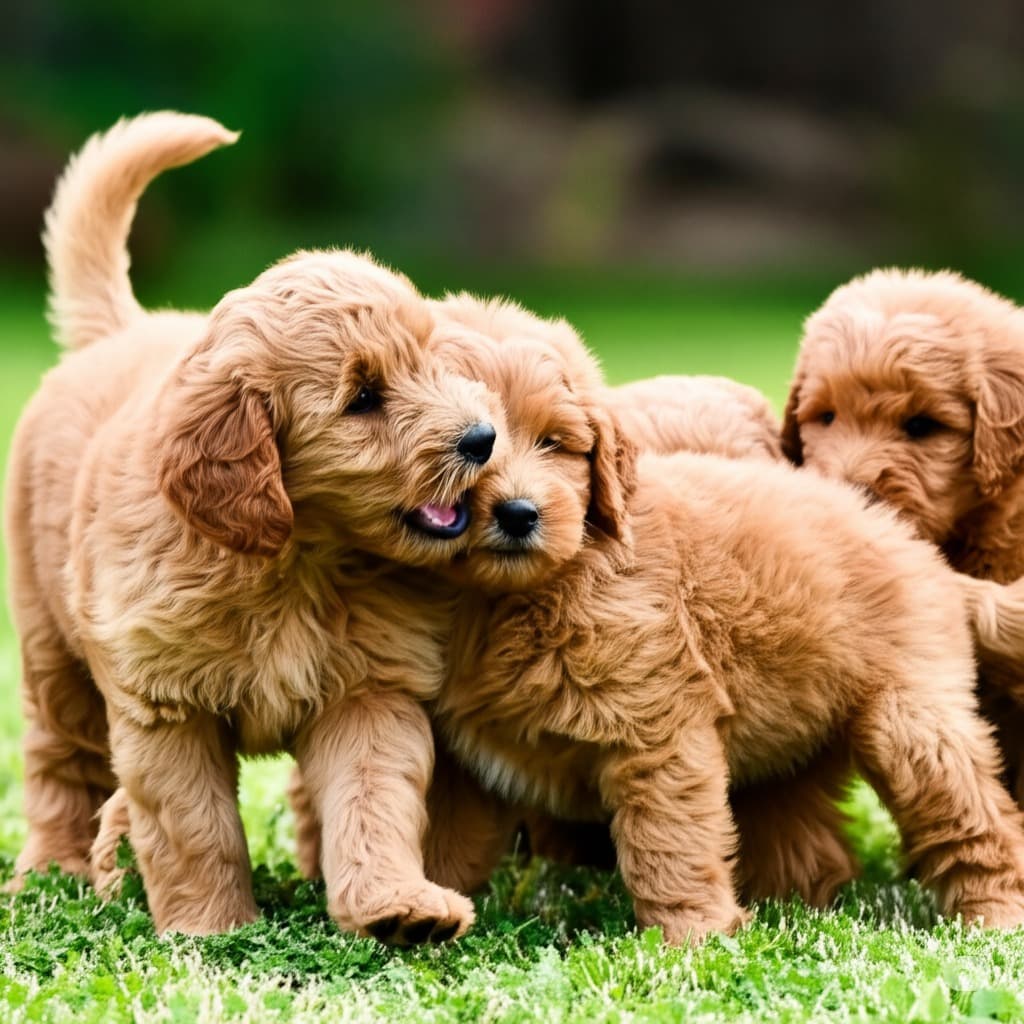
🐶 Mini Goldendoodle puppy playing
History of Mini Goldendoodle
The Mini Goldendoodle emerged in North America, primarily in the United States, during the mid-1990s. The breed's development was inspired by the success of the Labradoodle and the growing demand for smaller, low-shedding companion dogs.
The first documented cross between a Golden Retriever and a Poodle occurred in 1969 by Monica Dickens, the great-granddaughter of Charles Dickens. However, the intentional development of the miniature variety gained momentum in the early 2000s, with Amy Lane producing the first known 'miniature' Goldendoodle litter in January 2002.
Purpose and Appeal of Mini Goldendoodle
Mini Goldendoodles were developed to combine the gentle, friendly nature of the Golden Retriever with the intelligence and low-shedding coat of the Miniature Poodle. Their creation aimed to provide a smaller alternative to standard Goldendoodles while maintaining desirable traits like intelligence, trainability, and potential hypoallergenic qualities.
The breed's popularity has grown significantly due to their adaptable size, friendly temperament, and suitability for various living situations. Their often low-shedding coat and gentle nature make them particularly appealing to families and individuals with allergies, though no dog is completely hypoallergenic.
Did you know?
Although gaining massive popularity in the 90s, the first intentional cross between a Golden Retriever and a Poodle was documented much earlier, in 1969, by Monica Dickens, the great-granddaughter of Charles Dickens.
Mini Goldendoodle Dog Breed Size and Physical Traits
Size of Mini Goldendoodle dog Breeds
Size Category
Small to Medium
Height
Male
13-22 inches (33-56 cm)
Female
13-22 inches (33-56 cm)
Weight
Male
15-45 lbs (7-20 kg)
Female
15-45 lbs (7-20 kg)
Appearance of Mini Goldendoodle dog Breeds
- Coat Type
- Variable - can be wavy, curly, or straight. Often appears fluffy in puppyhood. Presence of 'furnishings' (longer hair on muzzle, beard, eyebrows) is common, especially with curlier coats.
- Eye Size & Color
- Large and expressive, typically dark brown or amber. Blue eyes may occur in some cases.
- Ear Size & Shape
- Floppy, hanging down close to the face
- Tail
- Long, can be either fluffy or feathered
Description of Mini Goldendoodles Appearance
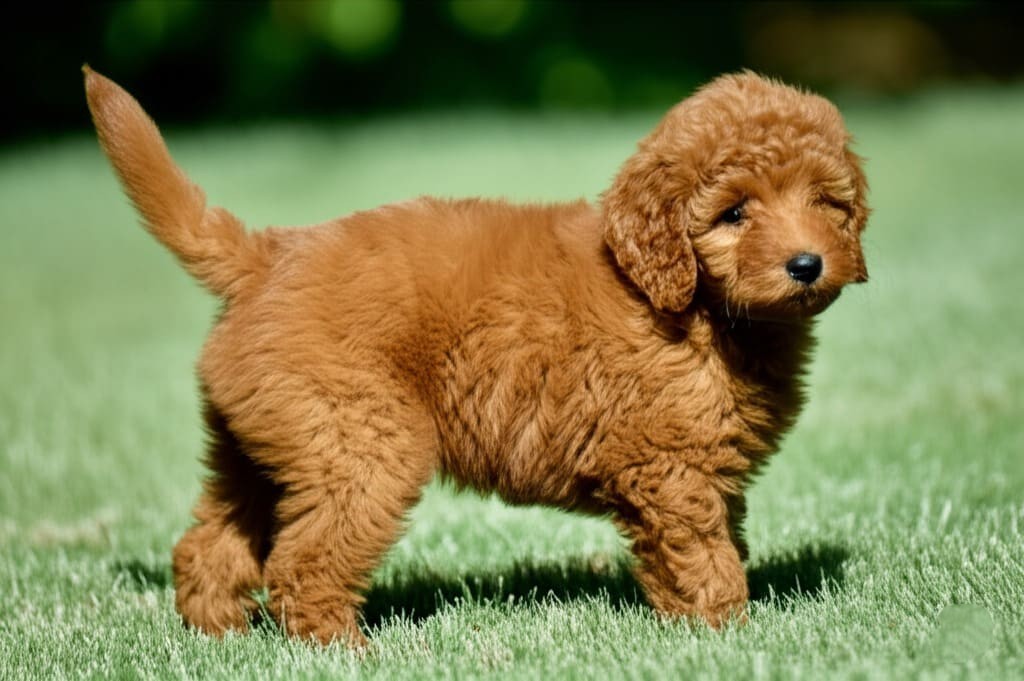
👀 How does Mini Goldendoodle look like?
- Mini Goldendoodles exhibit a charming blend of Golden Retriever and Miniature Poodle characteristics.
- Their size can vary significantly depending on the Poodle parent (Miniature or Toy) and generation.
- The coat is one of their most distinctive features, ranging from wavy to curly, often with the characteristic 'teddy bear' look.
- They typically have a well-proportioned body with a sturdy build, despite their smaller size.
- Facial features include expressive eyes and floppy ears that contribute to their endearing appearance.
Coat Colors of Mini Goldendoodle dogs
Golden
Cream
Apricot
Red
Black
Brown
White
Silver
Distinctive Features of Mini Goldendoodle dog breeds
- Mini Golden Doodles often exhibits a charming 'teddy bear' appearance, enhanced by facial furnishings.
- Their coat texture varies widely and is frequently low-shedding.
- They also features a distinctly rounded head paired with large, expressive eyes.
- Mini Goldendoodles are most commonly characterized by floppy ears hanging close to the head and a muzzle of short-to-medium length.
- They frequently inherits a noticeable springy, 'prance-like' gait from its Poodle parentage.
Mini Goldendoodle Environment, Barking, Trainability and More...
Barking Level of Mini Goldendoodle
Low to Moderate
Mini Goldendoodles are generally not excessive barkers, though some may be more vocal due to Poodle influence.
Trainability of Mini Goldendoodle
High
Highly intelligent and eager to please, making them very trainable. They respond well to positive reinforcement methods.
Energy Level of Mini Goldendoodle
Moderate to High
Require regular daily exercise and mental stimulation to maintain physical and mental well-being.
Friendly Environment Description of Mini Goldendoodles
- Mini Goldendoodles flourish indoors alongside their human families, craving significant daily social interaction and companionship.
- They are highly adaptable to diverse living situations, including apartments, provided their substantial daily exercise needs are met.
- A securely fenced yard is advantageous for safe play for a Mini Goldendoodle, but not essential if ample walks and activities are provided.
- Being deeply social, Mini Goldendoodles suffer when left alone for long durations and are prone to developing separation anxiety.
- They generally handle various climates well, though common sense precautions are needed for this breed in extreme heat or cold.
- This breed requires early and ongoing socialization plus consistent positive reinforcement training for well-adjusted behaviour.
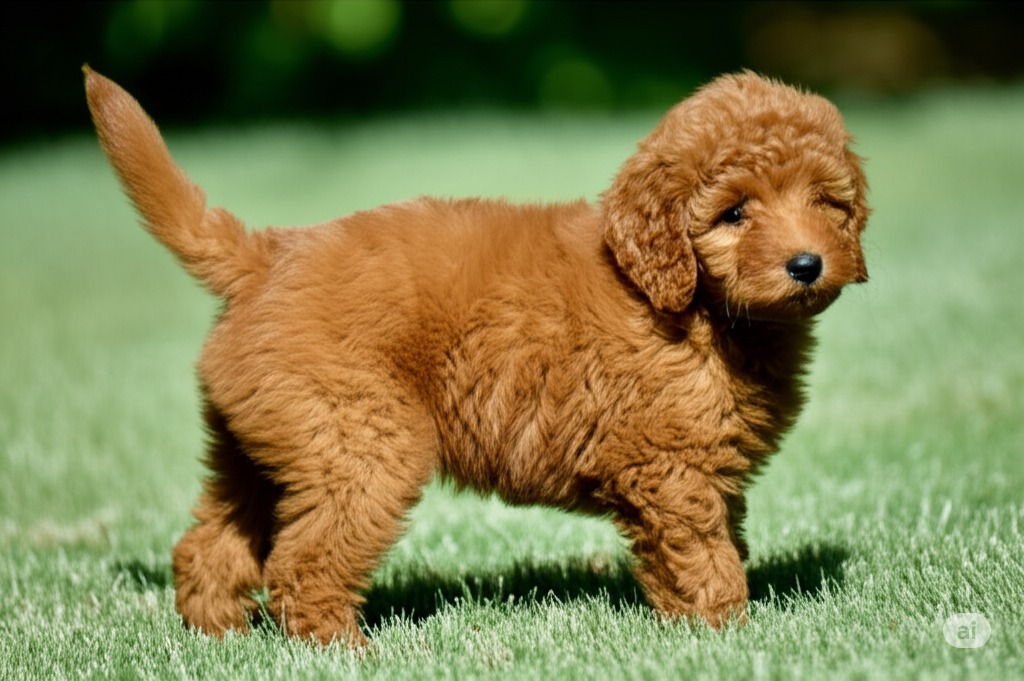
🏠 Mini Goldendoodle dog breed in its home environment
Personality Traits of Mini Goldendoodle dog breed
FriendlyIntelligentGentleAffectionatePlayfulSocialEager to please
Nature
Generally friendly, gentle, and sociable with a happy-go-lucky attitude.
Affectionate
Very loving and devoted to their families, enjoying cuddles and attention.
With Children
Excellent with children of all ages when properly socialized.
With Other Pets
Usually good with other animals, especially when socialized early.
With Strangers
Typically friendly and welcoming, not known for being aggressive.
Intelligence
High intelligence inherited from both parent breeds, making them quick learners.
Adaptability
Highly adaptable to different living situations and family dynamics.
Mini Goldendoodles are good with:
FamiliesChildrenOther Pets
Mini Goldendoodle Dog Breed Care & Grooming Needs
Shedding Level of Mini Goldendoodle
Low to Non-shedding
Mini Goldendoodles are generally low-shedding, though the amount can vary based on coat type and generation.
Grooming Needs of Mini Goldendoodle
Moderate to High
Mini Goldendoodles require regular brushing (1-2 times weekly minimum) and professional grooming every 6-8 weeks.
Grooming Tips
Brush mini goldendoodles regularly to prevent matting, especially in areas prone to tangling. Also perform professional grooming every 6-8 weeks. Clean ears weekly to prevent infections. Regular nail trimming and dental care are essential for them to stay clean and healthy.
Drooling Frequency of Mini Goldendoodle
Low
Mini Goldendoodles typically don't drool much.
Mini Goldendoodles Daily Exercise Requirements
Minimum Daily Activity of Mini Goldendoodle
30-60 minutes per day
Mini Goldendoodles need regular daily exercise through walks, play sessions, and mental stimulation activities. They are energetic and require regular physical activity to stay healthy and happy.
Recommended Activities for Mini Goldendoodles
Daily WalksFetch GamesSwimmingAgility TrainingInteractive PlayMental Stimulation GamesDog Sports
Living Space Compatibility of Mini Goldendoodles
Yard Requirement
Beneficial but not Required
Access to a yard is helpful but not essential if regular exercise is provided.
Apartment Living: Ideal
Mini Goldendoodles can adapt well to apartment living if exercise needs are met consistently.
Living Considerations for Mini Goldendoodles
- Regular grooming commitment required
- Need for consistent exercise
- Social nature - don't leave alone for long periods
- Early socialization important
- Mental stimulation necessary
- Potential for separation anxiety
Mini Goldendoodle Dog Lifespan and Health Issues
Average Lifespan of Mini Goldendoodles
10-16years
Common Health Issues of Mini Goldendoodles
Hip Dysplasia
Inherited condition affecting hip joint development.
Von Willebrand's Disease
Inherited blood clotting disorder.
Progressive Retinal Atrophy (PRA)
Genetic eye condition causing vision loss.
Allergies
Can include food, environmental, and skin allergies.
Ear Infections
Common due to floppy ears and hair growth in ear canals.
Patellar Luxation
Displacement of kneecap, more common in smaller dogs.
Gastric Dilatation-Volvulus (GDV)
Life-threatening condition where stomach twists.
Preventative Care of Mini Goldendoodles
- Choose reputable breeders who conduct health testing
- Regular veterinary check-ups
- Maintain proper weight through diet and exercise
- Regular grooming to prevent skin and ear issues
- Dental hygiene maintenance
- Early detection and treatment of any health issues
What to feed Mini Goldendoodle? Mini Goldendoodle's diet and Nutrition
Recommended Diet for Mini Goldendoodle dog breed
High-quality commercial dog food appropriate for age, size, and activity level. Consider potential food sensitivities.
Typical Feeding Schedule of Mini Goldendoodles
| Age Group | Feeding Frequency |
|---|---|
| Puppies (under 6 months) | 3-4 meals/day |
| Adolescents (6-12 months) | 2-3 meals/day |
| Adults | 2 meals/day |
| Seniors | 2 meals/day, adjusted for activity level |
Sensitivities & Considerations of Mini Goldendoodles
Potential Food Sensitivities of Mini Goldendoodles
Some Mini Goldendoodles may have sensitivities to common ingredients like grains or poultry. Monitor for signs of allergies.
Dietary Considerations of Mini Goldendoodles
- Feed high-quality protein-rich food
- Adjust portions based on size, age, and activity level
- Monitor weight to prevent obesity
- Consider potential food allergies
- Ensure fresh water always available
- Avoid table scraps
Weight Management of Mini Goldendoodles
Maintain healthy weight through proper portion control and regular exercise. Obesity can lead to joint problems and other health issues.
Signs of Healthy Weight of Mini Goldendoodles
- Visible waist when viewed from above
- Ribs can be felt but not seen
- Abdomen tucked up when viewed from side
- Energy level appropriate for age
Tips for Healthy Feeding of Mini Goldendoodles
- Measure portions accurately
- Feed according to size and activity level
- Use appropriate food for life stage
- Consider using puzzle feeders for mental stimulation
- Monitor weight regularly
- Consult vet for specific dietary needs
Is Mini Goldendoodle a good match for you?
Mini Goldendoodles are well-suited for various owners, from first-time dog owners to experienced handlers, and families to single individuals. They adapt well to different living situations but require commitment to grooming, exercise, and companionship.
Mini Goldendoodles are a Great Match For
- Active individuals or families
- First-time dog owners
- Those seeking a low-shedding pet
- Families with children
- People who can provide regular grooming
- Those wanting an intelligent, trainable dog
- Owners who can provide adequate exercise
Mini Goldendoodles May be Challenging For
- Those unable to provide regular grooming
- Very busy individuals with limited time
- Those seeking a completely independent dog
- People unwilling to invest in training
- Those looking for a guard dog
- Owners who can't provide regular exercise
- Those seeking a completely hypoallergenic pet